Discover the Various Sorts Of Bike Rack and Their Practical Applications for Biking Enthusiasts
The range of bike Racks readily available today provides to the diverse requirements of cycling lovers. From freestanding to wall-mounted choices, each layout provides one-of-a-kind benefits for storage and transportation. Mobile Racks likewise supply flexibility for those on the relocation. Nevertheless, choosing the suitable kind requires careful factor to consider of specific needs. Recognizing these variables can make a significant difference in both ease and security for cyclists. What are the essential factors to consider when choosing a bike rack?
Recognizing Bike Rack Enters
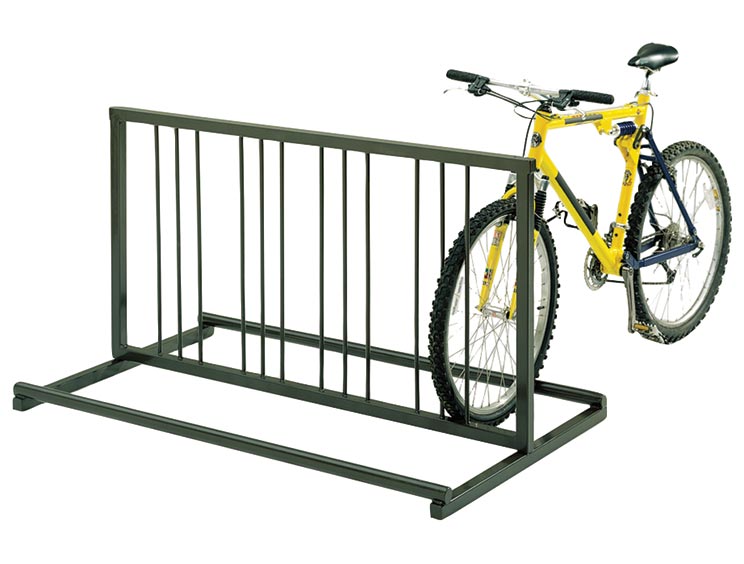
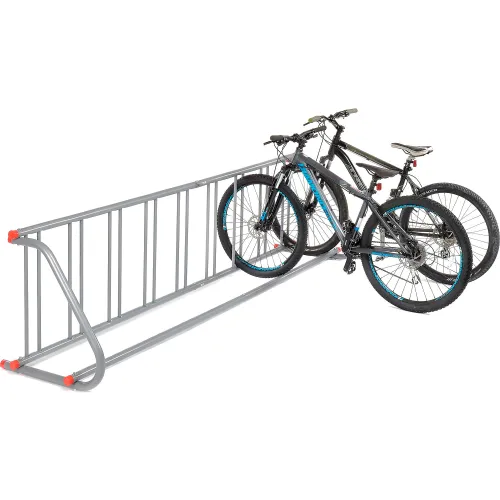
Different types of bike Racks deal with the diverse needs of bikers. Amongst the most typical are freestanding shelfs, often located in metropolitan areas, which enable multiple bikes to be safeguarded in a small space. Wall-mounted Racks offer those with minimal flooring space, giving an effective service for home storage. In addition, mobile bike racks, developed for ease of transportation, allure to bicyclists that frequently take a trip.
Hitch-Mounted Bike Racks
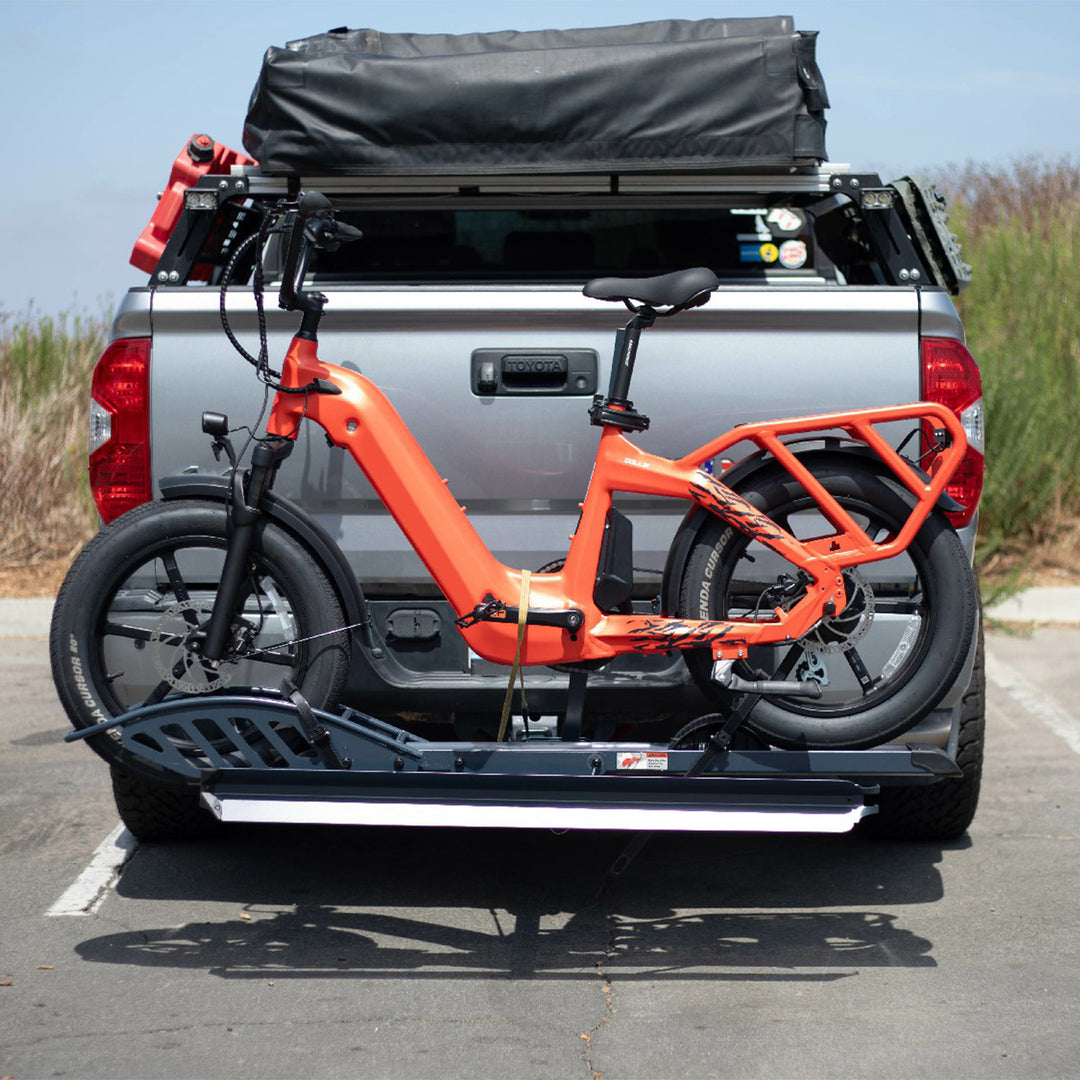
Hitch-mounted bike Racks use a sensible solution for transporting bikes, but understanding their installment process is vital for efficient use. Individuals should likewise consider the weight capability of these Racks to guarantee safety and security while taking a trip. Furthermore, compatibility with different car kinds plays a significant duty in identifying the best shelf for private needs.
Setup Process Introduction
When picking a hitch-mounted bike rack, recognizing the installment process is crucial for guaranteeing security and convenience. The customer needs to validate compatibility in between the rack and the car's drawback receiver. Many Racks are designed for either 2-inch or 1.25-inch receivers. After choosing the suitable rack, the setup begins with protecting the rack right into the hitch receiver and tightening the drawback pin or screw to stop activity. Correct placement is important to determine the shelf does not obstruct tail lights or license plates. Once mounted, it is suggested to check for stability by using minor pressure to the rack. Following the manufacturer's directions will assure an effective installation, promoting a risk-free biking experience when driving.
Weight Capacity Considerations
Compatibility With Lorry Kind
Choosing the right bike rack entails verifying compatibility with different car kinds. Hitch-mounted bike Racks are designed to connect to the back drawback receiver of an automobile, making them appropriate for a vast array of vehicles, suvs, and vehicles. Nonetheless, it is important to examine the hitch class and weight ability to validate a proper fit. A lot of hitch-mounted Racks are suitable with 1.25-inch and 2-inch receivers, suiting lorries geared up with appropriate towing capacities. Additionally, individuals must consider their car's height and design, as some Racks might obstruct back gain access to or call for added clearance. Inevitably, understanding automobile specifications verifies that biking lovers can safely transport their bikes without compromising safety or capability.
Trunk-Mounted Bike Racks
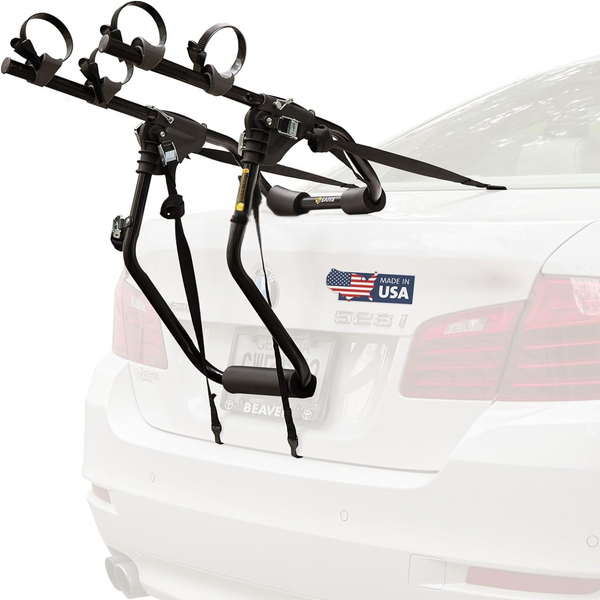
Trunk-mounted bike Racks provide a functional option for bicyclists looking for an effective method to deliver their bikes. Recognizing the setup process is vital for excellent usage, as inappropriate configuration can result in safety and security problems. Additionally, considering the weight ability of these Racks warranties that they can firmly hold the bikes without threat of damage or failure throughout transit.
Installation Process Overview
Lots of cycling enthusiasts appreciate the convenience of trunk-mounted bike Racks for their ease of usage and convenience. The installment process typically starts with unpacking the shelf and acquainting oneself with its parts. Many Racks feature adjustable straps and hooks created to protect them to the vehicle's trunk or hatch. Customers must validate the rack is positioned appropriately, straightening it with the car's contours for security. Following the maker's guidelines, the straps are then tightened up securely, ensuring a snug fit. It is necessary to check that the shelf does not block the lorry's lights or permit plate. Verifying that all connections are safe and secure before packing bikes is essential for risk-free transportation. Appropriate installation boosts both safety and performance throughout cycling journeys.
Weight Ability Considerations
When considering a bike shelf for transferring bicycles, weight ability is a crucial aspect that can not be forgotten. Trunk-mounted bike Racks usually have weight limits that vary depending on the model and style. It is important for customers to examine these requirements to ensure they do not surpass the recommended weight, as doing so can endanger both safety and lorry stability. Many trunk-mounted Racks can sustain a couple of bikes, with a consolidated weight capacity varying from 70 to 120 extra pounds. Cyclists must likewise consider the weight of their bicycles, specifically if they own much heavier models like electric bikes. Appropriately matching the shelf's weight capacity with the bikes' weights ensures a secure and secure transport experience.
Roof-Mounted Bike Racks
Roof-mounted bike Racks offer a structured solution for moving bicycles, providing bikers with the advantage of making best E Bike Rack use of freight room. These Racks are designed to hold bikes safely atop the lorry, enabling very easy accessibility to the back of the vehicle and stopping blockages to the permit plate or tail lights. They are ideal for people who frequently travel with their bikes, as they can suit different bike styles and sizes.
Installation generally involves connecting the rack to the car's crossbars, ensuring a risk-free and secure fit. Roof-mounted Racks are frequently aerodynamic and light-weight, which can lead to improved fuel efficiency contrasted to various other sorts of shelfs. Nevertheless, users need to take into consideration the height of their car when filling and discharging bikes, as well as possible difficulties when getting in garages or low-clearance areas. Generally, roof-mounted bike Racks provide a functional and effective option for serious bicyclists on the move
Wall-Mounted Bike Racks
Wall-mounted bike Racks provide an efficient solution for cyclists looking for to make the most of minimal area while safely saving their bicycles. These Racks are perfect for metropolitan residents or those with little garages, as they raise bikes off the ground and utilize vertical area. Made from tough materials, wall-mounted choices can suit various bike kinds, consisting of crossbreed, road, and mountain bicycles.
Installment is uncomplicated, allowing users to install them in garages, cellars, and even outdoor areas. Several designs permit one or several bikes, making them functional for individual or family use. Furthermore, some wall-mounted Racks featured integrated locks or protection features to discourage theft, improving assurance for bicyclists.
Mobile Bike Racks
Mobile bike Racks use bikers a convenient and versatile remedy for carrying their bikes. These Racks are created for very easy installation and elimination, making them perfect for those who need to often change in between automobiles or places. Generally light-weight and portable, portable bike Racks can be conveniently kept in a trunk or garage, easing the burden of irreversible installations.
There are various sorts of portable bike shelfs, including hitch-mounted, trunk-mounted, and roof-mounted alternatives, each accommodating different vehicle kinds and bicyclist preferences. Hitch-mounted Racks provide security and ease of access, while trunk-mounted Racks are typically much more economical and functional. Roof-mounted Racks are great for optimizing cargo space yet might require some lifting.
Selecting the Right Bike Shelf for Your Requirements
Just how can one establish the most effective bike shelf to fit their specific biking needs? Recognizing the right bike shelf includes reviewing a number of factors. Initially, one need to think about the kind of vehicle used for transport, as Racks are designed for various placing systems, such as trunk, roof covering, or drawback. Next off, the variety of bikes to be lugged is important; some Racks fit only one, while others can hold several bikes successfully. In addition, establishing the weight and structure style of the bikes is substantial, as certain Racks are much better suited for much heavier or distinctly designed bikes. Finally, intended usage ought to be taken into consideration; constant vacationers may prefer a much more portable choice, while periodic customers could focus on simpleness and convenience of installation. By thoroughly considering these considerations, people can pick a bike shelf that meets their demands and boosts their biking experience.
Frequently Asked Questions
Can Bike Racks Accommodate Different Bike Sizes and Styles?
Bike Racks differ in layout, allowing accommodation for different bike sizes and designs. Some Racks include flexible elements, while others are particularly tailored for sure bikes, making certain safe and secure storage space and very easy accessibility despite the bike's specifications.
How Do I Correctly Protect My Bike on a Shelf?
To effectively safeguard a bike on a shelf, one must ensure the framework and wheels are tightly secured using bands or locks, looking for stability and preventing movement throughout transportation to stay clear of damages.
Are Bike Racks Easy to Set Up and Eliminate?
Bike Racks vary in installation complexity, yet several are created for user-friendliness. Detachable versions generally supply straightforward configuration and elimination, while long-term installments might need tools and even more time, relying on the certain design.
What Materials Are Bike Racks Usually Made From?
Bike Racks are usually made from materials such as plastic, steel, and light weight aluminum. Bike Rack. Steel offers resilience and toughness, while light weight aluminum offers light-weight mobility. Plastic options are frequently made for simplicity of use and affordability
Do Bike Racks Affect Fuel Effectiveness When Driving?
When driving is substantial, the question of whether bike Racks influence fuel performance. Studies indicate that bike Racks can boost wind resistant drag, possibly bring about reduced gas performance, particularly at higher rates or with added weight.
After picking the suitable rack, the setup begins with safeguarding the rack right into the drawback receiver and tightening the hitch pin or bolt to avoid movement. Roof-mounted Racks are usually aerodynamic and lightweight, which can lead to enhanced fuel performance contrasted to various other types of racks. Hitch-mounted Racks provide security and ease of access, while trunk-mounted Racks are frequently much more affordable and versatile. Next off, the number of bikes to be lugged is vital; some Racks fit just one, while others can hold multiple bikes successfully. Bike Racks vary in layout, allowing lodging for various bike sizes and designs.